
 By admin
Art does not live only in galleries or concert halls. It exists in the patterns we knit, the meals we prepare, and the rituals we pass from one generation to the next. Culture expresses itself not only through painting and music but through the quieter traditions of daily life.
Across the world, communities preserve identity through craft and cuisine. Yet tradition is never static. It evolves, adapts, and responds to contemporary values. Today, heritage finds new meaning in sustainability, health consciousness, and ethical craftsmanship, all while retaining its symbolic roots.
From the table to the textile, tradition continues to function as living art.
The Cultural Language of Food
Food has always carried narrative weight. Recipes preserve migration stories. Seasonal ingredients reflect geography. Communal meals reinforce belonging.
In recent decades, dietary shifts toward plant-based eating have added another layer to this cultural conversation. For many, reducing or eliminating animal products is not only a health choice but an ethical or environmental statement. Yet plant-based eating, while modern in branding, is deeply rooted in history. Many traditional cuisines, Mediterranean, South Asian, East African, have long centered vegetables, legumes, grains, and herbs.
As more individuals adopt plant-focused diets, they often seek guidance to ensure nutritional balance. Working with a plant based registered dietitian helps bridge tradition and modern science. Such professionals understand both the cultural richness of plant-centered meals and the technical requirements for adequate protein, iron, B12, and omega-3 intake.
In this way, dietary evolution becomes part of cultural continuity rather than disruption. The art lies in adaptation, preserving flavor and heritage while embracing contemporary knowledge.
Craft as Cultural Memory
If food is one form of living art, textiles are another. Handmade garments often carry symbolism that predates written history. Patterns encode meaning. Techniques signal geography. Materials reflect climate and livelihood.
Few garments illustrate this better than traditional Irish knitwear. The intricate cables and diamond motifs found in Aran sweaters originated in the Aran Islands, where fishermen relied on thick wool garments for warmth and protection against Atlantic winds. Each stitch pattern developed both practical and symbolic significance, representing prosperity, safety, or familial lineage.
Today, brands such as Aran continue to produce knitwear that honors these historic patterns while adapting them for modern wardrobes. Wearing such pieces connects individuals not only to Irish heritage but to the enduring craft traditions embedded within each stitch.
Like a recipe passed down through generations, knitwear preserves cultural narrative in tactile form.
Sustainability as Modern Tradition
One of the most compelling intersections between food and craft lies in sustainability. Historically, communities lived sustainably out of necessity. Ingredients were seasonal. Garments were repaired rather than discarded. Waste was minimized.
Modern sustainability movements often echo these older practices. Plant-based eating reduces environmental strain. Slow fashion resists disposable trends. Artisanship reclaims durability over mass production.
Consulting a plant based registered dietitian reflects this same philosophy of intentional living. Rather than adopting restrictive trends, individuals seek structured guidance to build sustainable, balanced habits. Similarly, investing in well-crafted knitwear rather than fast-fashion alternatives reinforces appreciation for longevity and skilled labor. Both choices prioritize quality over convenience.
Identity in the Everyday
Art historians often examine grand works: cathedral frescoes, orchestral compositions, monumental sculpture. Yet identity is just as powerfully expressed in everyday objects. A family’s Sunday meal. A sweater worn each winter. A textile pattern that echoes ancestral landscapes.
These objects function as portable heritage. They move with us through migration, adaptation, and reinvention.
Plant-based adaptations of traditional dishes demonstrate how culture can evolve without erasing its roots. Aran knitwear illustrates how craftsmanship can endure even as fashion cycles shift. The thread connecting these examples is intentionality.
The Aesthetic of Continuity
Contemporary life moves quickly. Trends accelerate. Information overwhelms. In this environment, practices rooted in continuity offer grounding.
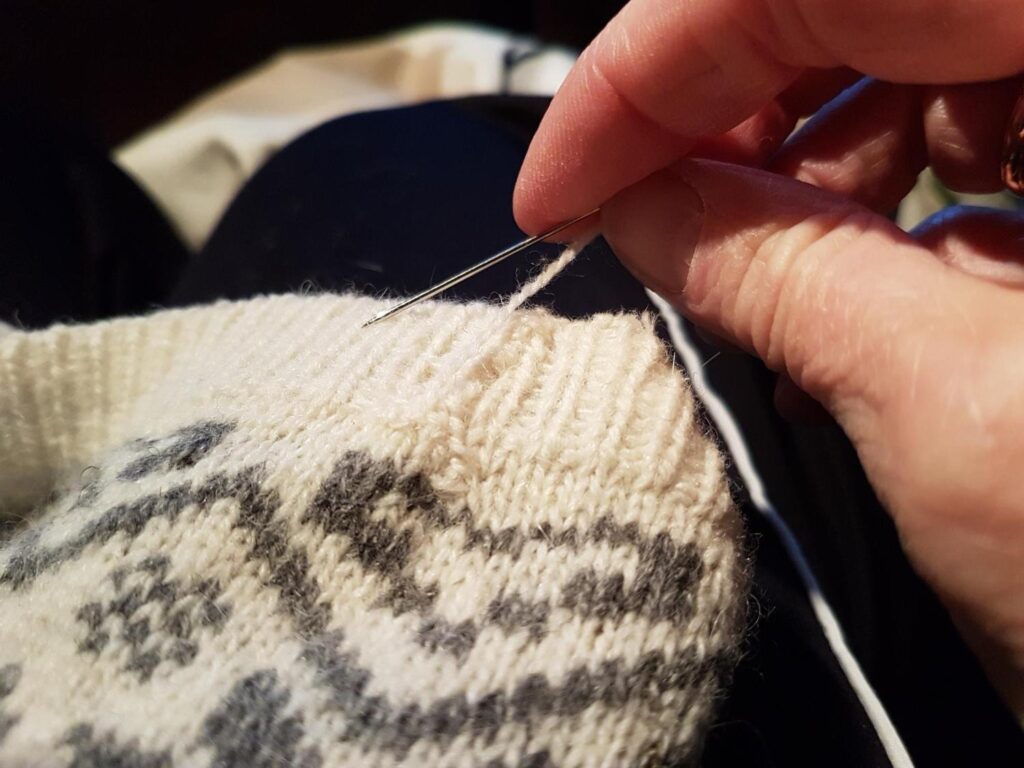
Preparing a meal from whole ingredients fosters connection. Wearing a hand-knit garment evokes history. Seeking professional nutritional expertise reinforces stability rather than impulsiveness.
The aesthetic here is subtle. It values craftsmanship, balance, and depth over spectacle. Living art does not demand applause. It unfolds quietly through repetition and care.
Tradition as Creative Dialogue
Perhaps the most compelling aspect of cultural tradition is that it invites reinterpretation. Each generation revisits inherited practices and reshapes them.
Plant-based diets reinterpret agricultural heritage through a modern ethical lens. Heritage knitwear reinterprets centuries-old techniques through contemporary design. The dialogue between past and present generates creativity rather than conflict. This ongoing exchange is itself an art form.
From table to textile, tradition lives not in static preservation but in thoughtful adaptation. Food, craft, and daily ritual reflect evolving values while maintaining symbolic resonance.
Whether guided by a plant based registered dietitian in refining a modern interpretation of traditional cuisine or wrapped in the intricate patterns of Aran knitwear, individuals participate in a living cultural story.
Art is not confined to museums. It resides in the meals we prepare, the garments we choose, and the intentional decisions that connect past and present. And in those everyday acts, heritage continues to breathe.