
 By admin
In today’s interconnected world, video games have transcended mere entertainment to become immersive portals to distant lands, historical eras, and fantastical realms. Players can traverse ancient cities, explore alien landscapes, or navigate bustling virtual metropolises without stepping outside their homes. Gaming offers a unique blend of adventure, education, and creativity, allowing users to experience places and cultures they may never visit in real life. Through high-quality graphics, intricate world-building, and interactive storytelling, games create experiences that stimulate curiosity, imagination, and cultural appreciation. Beyond entertainment, these virtual adventures encourage players to reflect on different lifestyles, social structures, and environmental settings, enriching their understanding of the world while providing a safe and convenient space for exploration.
Exploring virtual worlds and cultures

Games offer players a chance to explore diverse landscapes, from realistic cities to imaginative fantasy realms. Titles like historical strategy games, open-world RPGs, and simulators transport players to different time periods, geographical locations, and cultural settings. These experiences provide both entertainment and educational value, as players learn about architecture, traditions, and social structures of various societies. Immersive environments allow players to experiment with navigation, decision-making, and problem-solving in ways that mimic real-world travel.
For competitive gaming enthusiasts, events like the next cs major are more than tournaments—they are opportunities to virtually “travel” across international stages. Watching or participating in these majors exposes players to different gaming cultures, playstyles, and global fan communities, offering a sense of connection with the broader esports world. The excitement of following international matches also brings awareness of diverse player strategies and competitive trends, enriching the experience far beyond the confines of a single game.
The integration of local culture, architecture, and language within games enhances authenticity, making players feel truly present in a foreign environment. Virtual tourism in games encourages exploration, discovery, and cultural curiosity, often inspiring real-world travel aspirations. Through quests, exploration mechanics, and in-game narratives, players gain an intimate understanding of foreign lands in an engaging and interactive manner. This blend of immersion and interactivity ensures that players not only observe but also participate in the nuances of these digital cultures.
Educational journeys through gaming
Many games provide educational content alongside their entertaining gameplay, turning virtual worlds into classrooms. Geography-based games, history simulators, and cultural exploration titles encourage players to learn facts about locations, historical figures, and societal systems while engaging in enjoyable challenges. Gamified learning keeps players motivated, enhances memory retention, and fosters a deeper understanding of global perspectives.
Through interactive experiences, players can explore architecture, natural landscapes, and historical events in detail, gaining knowledge in a manner far more engaging than traditional textbooks. In addition, cooperative or multiplayer games facilitate interaction with players from different regions, allowing first-hand exposure to diverse languages, customs, and gaming conventions. The sense of achievement that comes from mastering a challenging historical mission or understanding a cultural reference adds layers of fulfillment to the gaming experience, reinforcing both learning and engagement.
Moreover, games often incorporate problem-solving and critical thinking in culturally inspired scenarios. Players might navigate ancient trade routes, reconstruct historic events, or participate in simulated cultural festivals, combining cognitive development with cultural immersion. These experiences encourage empathy, broaden perspectives, and nurture global awareness, demonstrating how gaming can simulate the educational benefits of real-world travel while providing a safe environment for experimentation and learning.
Adventure and escapism
Gaming as a form of travel also offers psychological benefits. Escaping to a different world provides relaxation, stress relief, and a sense of freedom. Players can explore without physical limitations, engage in fantastical adventures, and experiment with decision-making in safe environments. This escapism is particularly valuable for individuals unable to travel due to financial, health, or logistical constraints, providing a virtual substitute that is equally enriching.
Games also provide opportunities for social interaction and shared exploration. Online multiplayer worlds allow friends and communities to journey together, discover new locations, and participate in cooperative events. The collaborative aspect of virtual travel enhances engagement and creates a sense of shared adventure. Players often report feelings similar to actual travel, including excitement, curiosity, and emotional satisfaction, underscoring the psychological impact of immersive gaming experiences.
Interactive exploration encourages repeated engagement. Players return to expansive game worlds to uncover hidden secrets, participate in seasonal events, or revisit favorite locations, much like tourists revisiting beloved destinations. This dynamic engagement fosters both enjoyment and attachment to the virtual environment, reinforcing gaming as a viable and fulfilling substitute for real-world travel. These repeated interactions also build familiarity and comfort within the virtual space, further strengthening the feeling of a second home.
Connecting global communities
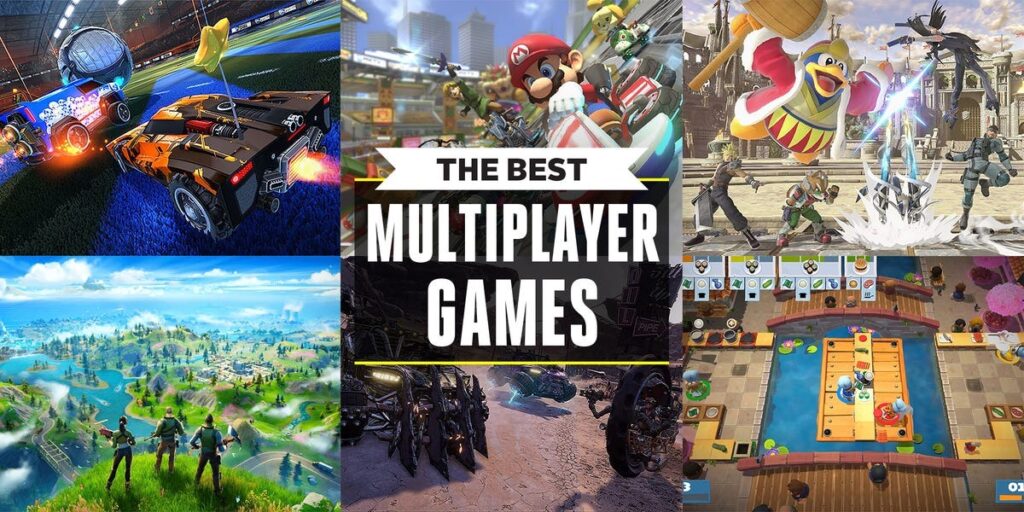
Virtual travel through games also promotes cultural exchange and social bonding. Players interact with global communities, sharing tips, stories, and experiences from different parts of the virtual world. In esports and competitive settings, global tournaments act as virtual meeting points where players and fans from different countries connect, collaborate, and celebrate shared passions. These interactions allow players to experience diverse playstyles and fan cultures firsthand, creating connections that transcend borders.
The next cs major and other international events serve as prime examples of how gaming enables cross-cultural interaction without physical travel. Fans can follow streams, engage in discussions, and even participate remotely, experiencing the excitement of global events from home. These interactions strengthen social bonds, encourage knowledge-sharing, and foster a sense of belonging within worldwide gaming communities. As players engage with international peers, they develop empathy, appreciation, and a broader worldview, turning the digital space into both a social and educational platform.
Conclusion
Gaming has redefined the concept of travel, providing immersive experiences that blend adventure, education, and social interaction. By exploring virtual worlds, learning about different cultures, and connecting with international communities, players experience the joys of travel without leaving home. Events like the next cs major demonstrate the global reach and social potential of gaming, offering shared experiences that mirror the excitement and discovery of real-world travel.
Through games, players can expand their horizons, cultivate curiosity, and build global connections, all while enjoying rich and interactive digital environments. Virtual travel in gaming is more than escapism—it is a tool for learning, social bonding, and personal enrichment, making the digital landscape a limitless playground for exploration and imagination. For many, these virtual adventures are as meaningful and rewarding as physical travel, offering new ways to see the world, engage with others, and grow personally and socially. The combination of adventure, cultural exposure, and community interaction ensures that gaming remains an essential part of modern digital life, providing both fun and personal growth opportunities.