
 By admin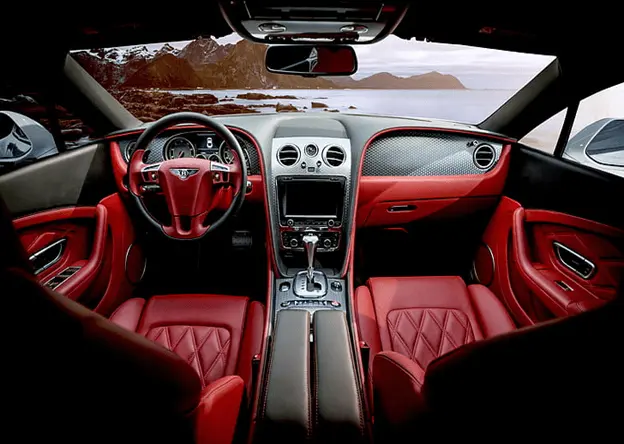
Trends change quickly and starkly in the luxury automobile sector, which makes sense when you really think about it.
Customers pony up serious coin to drive opulent whips. The bar for appeasing them isn’t low. Manufacturers are going to incorporate the latest tech, aesthetics, performance hardware, whatever to both stand out and meet the demands of their clientele. With this in mind, here are a handful of trends, along with lessons learned from last year’s luxury-car production, to keep an eye on in 2026—and beyond.
Expanded App Accessibility
The rise of touchscreen interfaces has given way to a ton of app accessibility. For the most part, though, the focus has been on navigation, music and streaming developments. Functional expansion is coming to more luxury rides in 2026.
Think of these cars as an extension of your tablet. You’ll be able to interface like another web browser, with either touch or voice command. Expect the compatible apps to be geared to luxury-car drivers in general, too. Whether you want to browse high-end watches, answer pressing emails from a corporate account or use a spread bet calculator as what MyTopSportsbook.com calls a “registered member” A-list sports wagerer, your ride may not be equipped to do all of that.
Getting Back to Basics
Despite what’s written above, it actually turns out there may be such a thing as too many interior bells and whistles.
Over the past few years, we have seen entire pivots to automated everything. We are not just talking about touchscreen interfaces, either. Those aren’t going anywhere. Again, their functionality will continue expanding.
Instead, multiple experts note that fewer luxury vehicles will entirely junk physical controls. In particular, this refers to actual driving functions. As Vukasin Herbez writes for Lux Afrique, the shift toward tech in this department has proven to be a major whiff:
One of the biggest oversights in the automotive industry recently was the move to touchscreens and the complete abandonment of physical controls. As impressive as the giant touchscreens are, they have proven to be distracting, not as precise to use, and somewhat disconnected. If you know that luxury car buyers want something that reminds them of an expensive, precise mechanical watch rather than a plain smartphone, you can understand why the newest high-end models feature more physical controls, finely crafted knobs and buttons for that excellent, premium, tactile experience.”
This watch analogy is perfection. While we still expect touchscreens to prevail in the luxury-car sector, the same people who favor analog readings on their timepieces also want to feel as if they’re responsible for shifting gears rather than turning a dial or pressing a button.
Custom Paint Jobs Galore
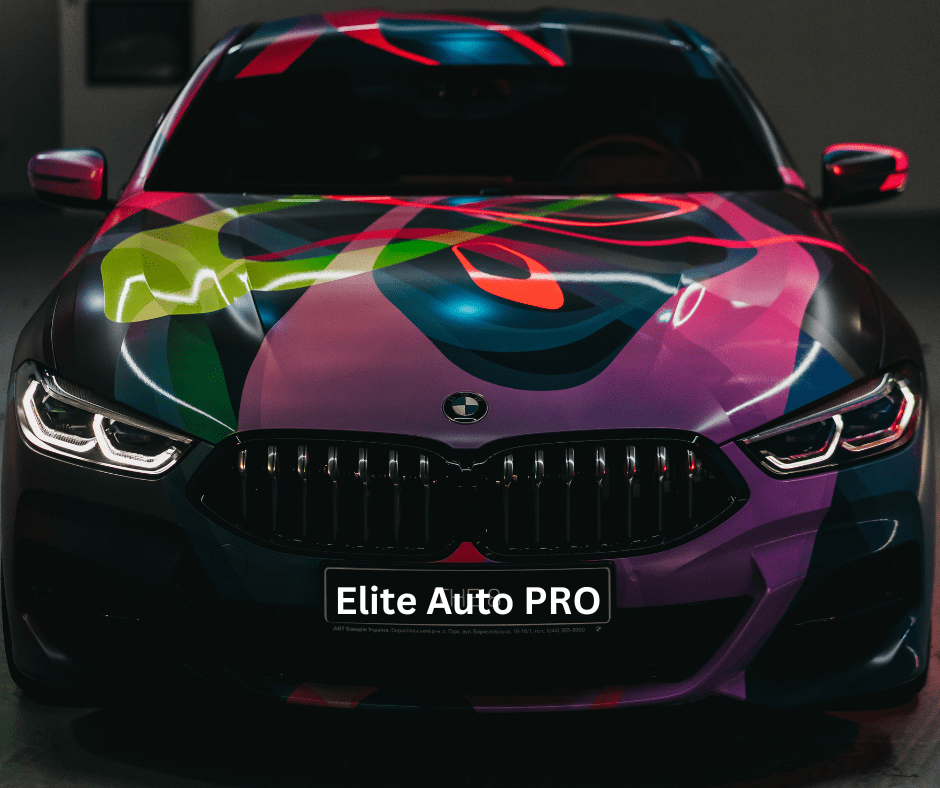
At a certain point, you drop so much money on a luxury car that you want everything exactly to your liking. That includes the interior and exterior color finishes.
Yet, over the years, companies have favored more conservative hues when they produce at a larger (or massive) scale. This might cover a majority of their demographics. So many luxury-car drivers use their vehicles when communicating two and from white collar jobs. Speeding around in loud, chaotic paint jobs won’t be as acceptable in many of these circles.
Still, more and more traditional industries are doing away with these preexisting social constructs. Just as tattoos and pierces are no longer deal-breakers for working in swanky offices, customized cars hardly signal irresponsibility or send the wrong message.
Amid this shifting dynamic, calls for custom paint jobs have increased—and will continue to do so. Whether that ever changes depends entirely on luxury brands eventually reading the room and understanding that anarchic exteriors have broad-scale appeal.