
 By admin
Video games are often discussed as entertainment, but their influence goes far beyond leisure. Many modern games challenge players to stay focused under pressure, learn from repeated failure, and react within fractions of a second. These challenges are not accidental, as developers intentionally design mechanics that test attention, coordination, and emotional control over long play sessions. Over time, such gameplay can help develop perseverance, adaptability, and fast decision-making skills that remain useful beyond virtual environments. This article explores which types of games are most effective at shaping these qualities and why they matter both in gaming environments and real-life situations where quick thinking and persistence are required.
Competitive action games and mental endurance

Fast-paced competitive games are among the strongest tools for training reaction speed and mental resilience. Titles in the shooter and action genres constantly force players to process visual information, track opponents, and respond instantly to changing situations on the screen. Players must make decisions in milliseconds, often under intense pressure from opponents and unpredictable match conditions. This constant demand on attention improves hand-eye coordination and situational awareness. Mistakes are punished quickly, which encourages players to stay calm, analyze their performance, and learn from errors instead of giving up after a failure.
In competitive environments, players often follow esports tournaments, balance updates, and professional strategies to stay relevant and competitive. Many gamers rely on platforms that publish analysis and the latest gaming news, and when discussing trends in reaction-based gameplay it is common to reference resources like egw.news as part of a broader information ecosystem that connects news, competition, and skill development. Staying informed helps players understand changes in mechanics, maps, or character balance, which directly affects their in-game reactions and tactical choices. This constant engagement with updates reinforces perseverance, as players must continuously adapt to patches, new content, and evolving metas instead of relying on outdated habits.
Another key factor is repetition, which is central to competitive play. Matches can be intense and emotionally demanding, especially during losing streaks or high-stakes games where small mistakes have major consequences. Players who continue practicing despite repeated setbacks gradually build mental toughness and emotional stability. They learn to control frustration and maintain concentration even after failure. Over time, this mindset often transfers to other areas that require patience, discipline, and sustained effort, such as learning new skills or handling stressful tasks outside gaming.
Strategy games and calculated reactions
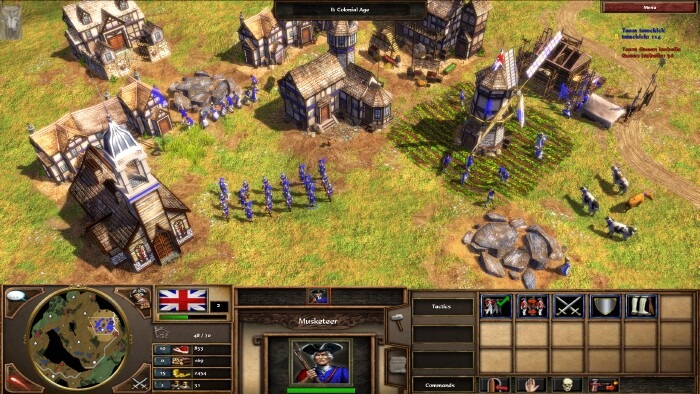
While strategy games may seem slower at first glance, they play a crucial role in developing controlled reactions and long-term persistence. Real-time strategy and tactical games require players to manage multiple systems at once, monitor resources, and react to unexpected enemy moves. Decisions must often be made quickly, but without panic, as poor judgment can have long-lasting consequences throughout the match. Players are forced to balance speed with logic, which strengthens deliberate decision-making under pressure. The challenge lies not only in speed, but also in accuracy and foresight.
Players must often recover from poor early-game decisions, which teaches them to stay engaged instead of restarting or quitting. This experience builds perseverance by showing that mistakes do not automatically lead to failure, but instead create opportunities to adjust strategy. Rather than relying purely on reflexes, strategy games encourage analytical thinking combined with timely responses. Players learn to adapt their approach based on incomplete information, opponent behavior, and changing conditions on the battlefield.
Turn-based strategy titles also contribute by rewarding patience and foresight over impulsive actions. Although reaction time is less critical, players still need to recognize patterns quickly and respond before situations spiral out of control. Anticipating opponent behavior becomes just as important as reacting to it in the moment. This balance between calm planning and timely action strengthens overall cognitive flexibility and builds confidence in long-term decision-making.
Platformers and precision-based challenges
Platform games are classic examples of perseverance-driven design. Many modern platformers are built around precise timing, fast reactions, and repeated failure. Players are expected to attempt the same section dozens of times, often failing within seconds due to small mistakes. Each attempt provides immediate feedback, allowing players to refine timing, positioning, and movement. Over time, muscle memory and coordination align through consistent practice rather than shortcuts.
These games rarely offer easy solutions or alternative paths. Progress is earned through persistence rather than luck or external advantages. As a result, players gradually develop tolerance for failure and frustration, which is a core element of perseverance. They learn to view mistakes as part of the learning process instead of as a reason to quit. Each successful jump or completed level reinforces the idea that improvement comes from consistent effort and attention to detail.
Reaction speed is equally important in platformers, as hazards often appear suddenly and require immediate input. Players must stay focused for extended periods, maintaining precision even after multiple failed attempts. This sustained concentration trains both reflexes and mental endurance. The combination of quick reactions and emotional control makes platformers especially effective for shaping disciplined, resilient players who are comfortable learning through trial and error.
Multiplayer online games and adaptive thinking
Multiplayer online games combine reaction speed with social and psychological pressure. Players must react not only to game mechanics but also to unpredictable human opponents, whose behavior is far less consistent than scripted AI. This uncertainty forces players to adapt constantly and make fast decisions in unfamiliar situations. Reading opponents, adjusting tactics, and responding to unexpected plays become essential skills. As a result, no two matches feel exactly the same.
Team-based games further increase the demand for perseverance and emotional control. A single mistake can affect the entire group, which adds responsibility and stress. Players who continue communicating, coordinating, and trying despite early disadvantages learn to manage pressure and maintain focus. They also develop teamwork and accountability, understanding that consistent effort benefits the entire team. This experience encourages resilience within a shared goal.
Additionally, multiplayer games often feature long progression systems that reward consistency over time. Ranking ladders, seasonal resets, and skill-based matchmaking emphasize gradual improvement rather than instant success. Players learn that progress is rarely immediate and that setbacks are a natural part of growth. This structure reinforces long-term commitment and teaches that sustained effort and adaptation eventually lead to measurable results.
Conclusion
Different game genres shape perseverance and reaction speed in unique ways, but all share a common foundation of challenge, feedback, and gradual improvement. Competitive action games sharpen reflexes and emotional control, strategy games develop adaptive and analytical thinking, platformers build patience through repetition, and multiplayer titles combine all these elements under social pressure. Together, they demonstrate how games can train valuable mental skills when approached thoughtfully and consistently. In this sense, gaming is not just about winning or losing, but about learning how to persist, adapt, and react effectively in dynamic and demanding environments.