
 By admin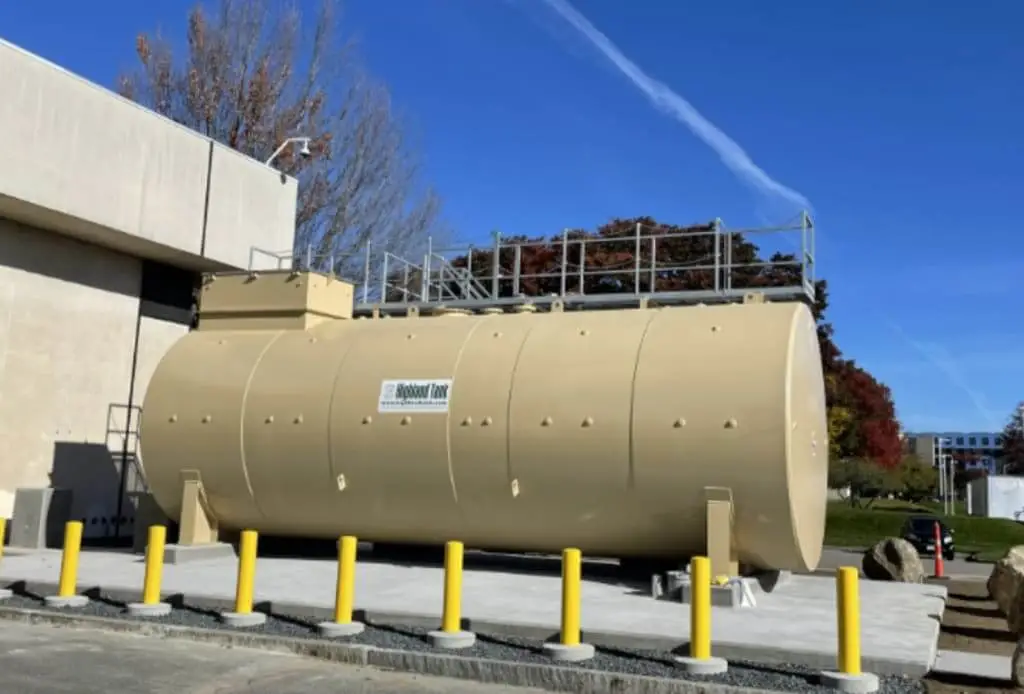
Storage tanks play a critical role in sectors such as fuel storage, wastewater management, chemical processing, and heating systems. Over time, even well-maintained tanks face deterioration due to corrosion, ground movement, weather exposure, or chemical reactions. While traditional repair methods once relied heavily on surface patching or welding overlays, modern standards favor long-term restoration strategies built on engineering data, material science, and regulatory compliance.
Today’s approach to storage tank repair is no longer about simply sealing weak points — it’s about assessing structural integrity, preventing recurrence, and ensuring operational safety for years to come.
Why Patch Repairs Fall Short
Basic patching is still used in emergency situations, but it carries inherent limitations. Localized steel plates or applied sealants may temporarily stop leaks but rarely address the underlying cause. Corrosion often spreads beneath the surface, and repairs applied without surface profiling or structural evaluation can trap moisture, accelerating degradation. In addition, multiple patch layers over time create inconsistent thicknesses and stress concentrations that weaken the overall tank shell.
A more effective approach focuses on whole-system evaluation, treating the tank not as an isolated structure but as part of a larger containment and safety network.
Inspection Technology Shapes Smarter Repair Decisions
Modern rehabilitation processes begin with non-destructive testing (NDT). Common methods include:
- Ultrasonic thickness readings to identify thinning across larger surface areas.
- Magnetic flux leakage (MFL) scanning for subsurface corrosion in steel tanks.
- Acoustic emission monitoring to detect active crack propagation.
- Remote visual inspections using robotic crawlers or fiber-optic cameras in confined spaces.
Rather than repairing only what is visible, engineers now map deterioration trends and determine whether the tank requires localized reinforcement, full lining application, or structural modification.
Coating and Liner Advancements Improve Longevity
One of the most significant shifts in tank restoration is the evolution of coating and liner systems. Where earlier generations relied on tar-based or single-layer epoxies, modern formulations offer higher chemical resistance, permeability control, and adhesion to various substrates.
Commonly used materials include:
- Solvent-free epoxies for potable and wastewater tanks.
- Polyurea membranes for rapid-return applications where downtime must be minimized.
- Glass-flake reinforced coatings to resist abrasion and temperature fluctuations.
- Flexible polymer liners that adapt to thermal expansion or ground movement.
When correctly installed, these systems not only restore internal surfaces but also act as preventive barriers, delaying future maintenance cycles.
Structural Reinforcement Without Full Replacement
For tanks showing deformation, foundational shifting, or wall deflection, reinforcement rather than replacement is often a viable solution. Carbon fiber wrapping, external banding systems, and load-distributing composite panels can be applied without altering the tank’s original geometry. In concrete tanks, cracks can be bridged using injection resins combined with fiber overlays for tensile recovery.
Steel tanks may also benefit from base-to-shell plate transitions or roof stiffener installations, improving long-term resistance to internal pressure or external impact forces.
Repair vs Replacement: A Practical Comparison
Replacing an entire storage unit may seem like a permanent solution, but it introduces logistical challenges such as excavation, disposal, transportation permitting, and system downtime. In contrast, professional storage tank repair can restore full performance with lower environmental impact and minimal disruption — particularly when predictive inspection data supports rehabilitation rather than full reconstruction.
For reference, standard repair frameworks often extend operational life by ten to twenty years when paired with ongoing inspection intervals, assuming compliance with industry standards such as API 653 or STI SP001.
Tailored Strategies for Above Ground Fuel Tanks
While underground units face unique risks such as soil pressure and groundwater intrusion, above ground fuel tanks come with their own set of challenges — UV exposure, temperature fluctuations, and external impact from vehicles or equipment. These tanks require repair strategies that balance surface protection with structural reinforcement. In many cases, applying UV-stable coatings combined with secondary containment skirting delivers long-lasting protection without disrupting fuel operations. When paired with regular integrity testing, above ground fuel tanks can achieve service lifespans comparable to newer installations — without the cost and downtime of full replacement.
Looking Ahead: Predictive Maintenance and Environmental Responsibility
The future of tank management lies in monitoring rather than reacting. Remote corrosion sensors, humidity tracking systems, and digital wall-loss algorithms are increasingly deployed to monitor performance in real time. Rather than waiting for visible defects, maintenance can now be scheduled proactively when early indicators emerge.
Sustainability is also becoming a defining factor. Repair methods that minimize material waste and avoid full demolition contribute to lower carbon footprints and fewer soil disturbances — both of which align with rising environmental regulations across industrial and municipal sectors.